Compare
Both fight hard-water scale — but they work very differently. Here's how to choose.
Tell us about your water — we’ll recommend the right system. No obligation.
This is the most common question we get in Central Texas, and the honest answer is “it depends on your water and your priorities.”
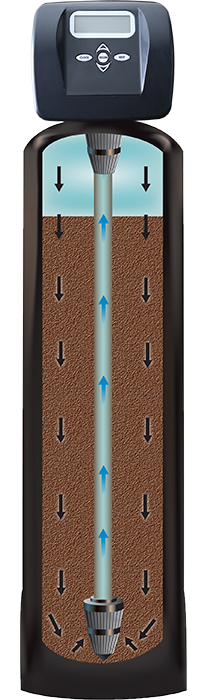
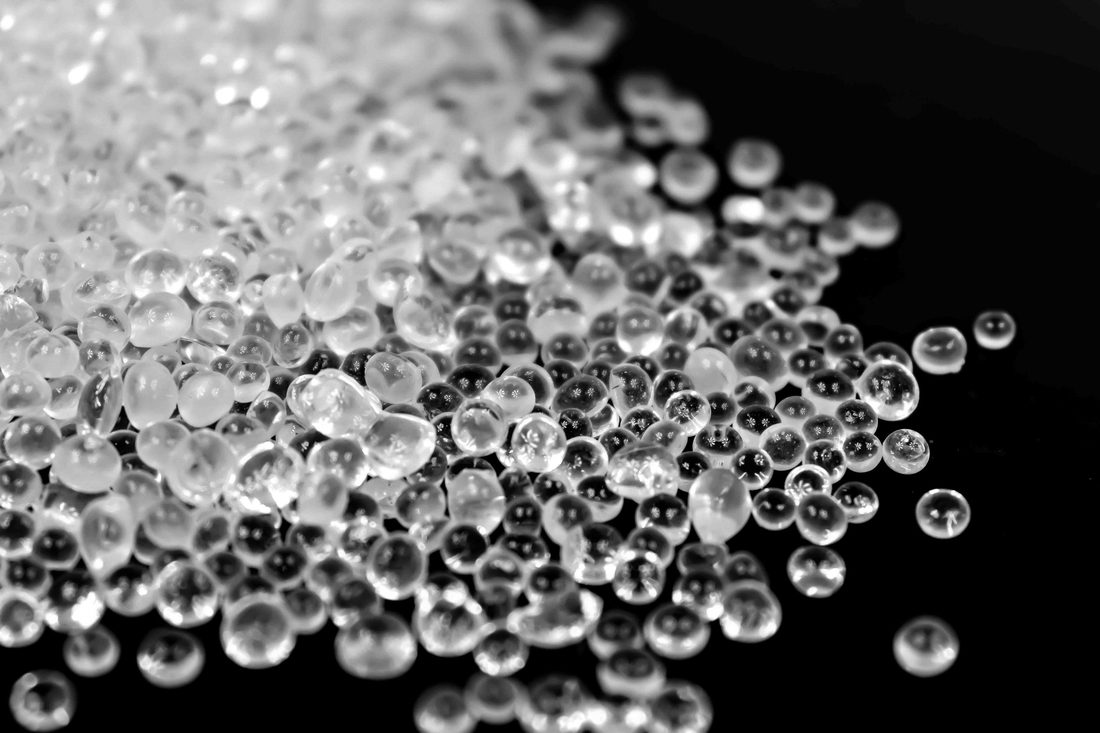
A water softener uses ion exchange to physically remove calcium and magnesium, producing true soft water. You get the full benefits: no scale, spot-free dishes, softer laundry and skin, and up to ~80% less soap. The trade-offs are periodic salt, a small amount of regeneration water down the drain, and (with traditional softeners) the slippery “soft” feel — which our Enhanced Filtration systems are designed to eliminate. One thing a softener doesn’t do is control corrosion — removing hardness doesn’t change the pH, oxygen or CO₂ that corrode pipes (per the Water Quality Association) — which is where salt-free Active Armour®’s protective film has an edge.
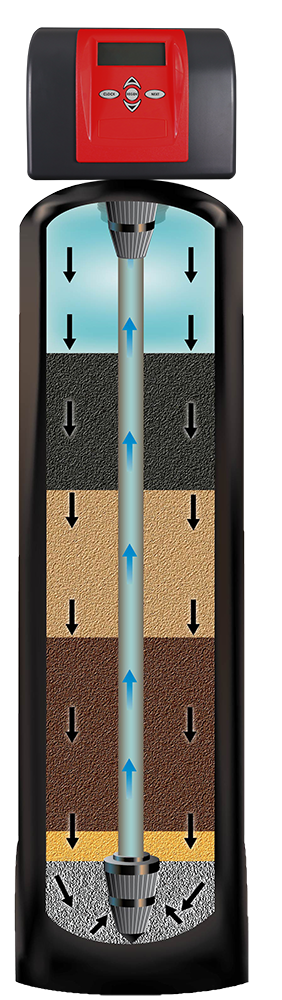
Salt-free systems like Active Armour and Liquid Active Armour condition water rather than soften it: they keep hardness minerals from sticking and forming scale, lay down a protective layer against corrosion, and — with continuous dosing — gradually break down and remediate existing scale and buildup over time. No salt, no electricity, no wastewater. The trade-off is that they don't remove hardness, so you won't get the soft-water feel, the soap savings, or spot-free glassware.
For very hard Central Texas water where you want the full soft-water experience, a softener (or Enhanced Filtration) is usually the better fit. A salt-free conditioner makes sense if you can't add sodium, want minimal maintenance, are on a septic system or have no drain, or mainly want to protect plumbing and appliances from scale. A free estimate makes the choice clear.
No. Salt-free systems condition water to prevent scale, but they don't remove hardness, so the water isn't technically “soft.” Only a salt-based softener removes calcium and magnesium.
For scale and corrosion protection it can be very effective. For soft-water benefits — lather, spot-free dishes, softer laundry and skin — a softener is what delivers those.
Salt-free conditioners are often preferred where there's no drain or where you want to avoid adding salt and regeneration water.
The amount is small and depends on your hardness, but if sodium is a concern we can discuss potassium, a salt-free option, or reverse osmosis for drinking water.
Ready When You Are
Our attentive staff is available Monday–Friday to answer your questions and recommend the right system.
Request a Free Estimate