Salt-Free Systems
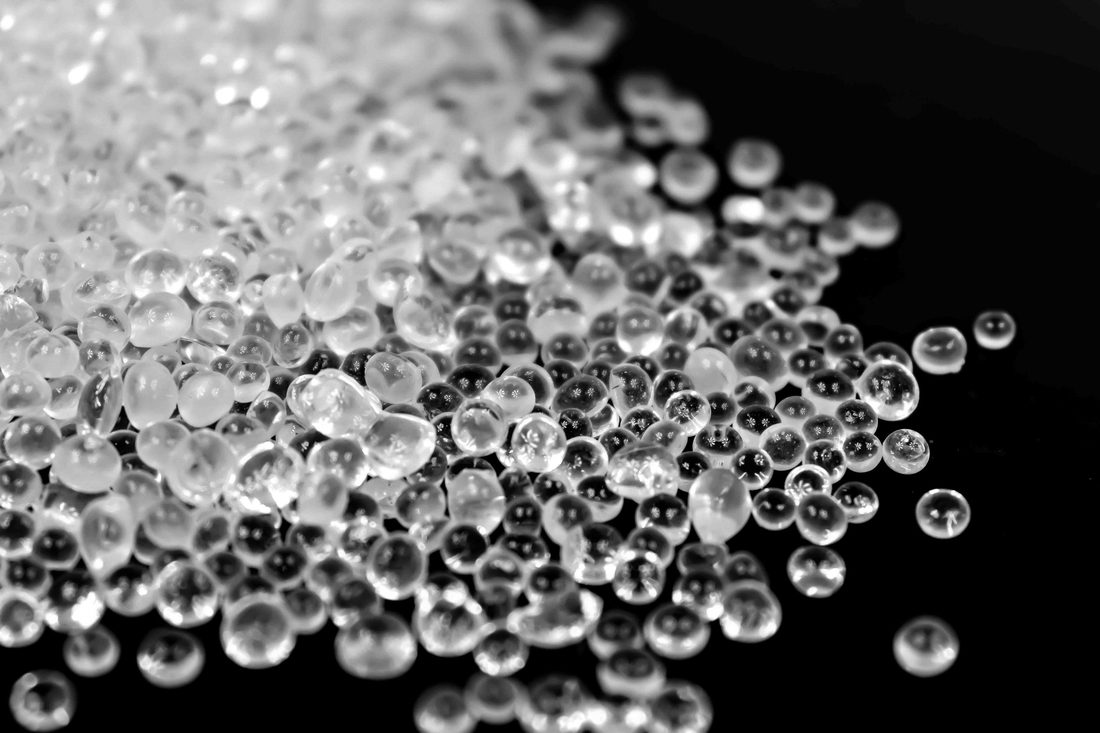
Phosphates are among the few substances that can be safely added to drinking water to control corrosion, discolored water and scale — and they’re the chemistry behind Crusader Active Armour®.
Tell us about your water — we’ll recommend the right system. No obligation.
Phosphates are one of the few recognized substances that can be safely added to potable water to solve a range of problems. Properly selected, phosphate treatment controls corrosion, discolored water and calcium scale in plumbing systems, and can reduce lead and copper to help comply with the U.S. EPA Lead and Copper Rule. It works across galvanized, copper, iron, cement and plastic (PVC, CPVC, PEX) plumbing alike.
The right choice depends on hardness, iron/manganese levels and whether corrosion or scaling is the bigger concern — which is exactly why we test before recommending a program (the manufacturer's selection guide keys on hardness above or below ~100–175 mg/L and on iron/manganese levels; see the Crusader Phosphate Technology Bulletin, PDF). Crusader Active Armour and Liquid Active Armour are blended phosphate “boundary-zone” inhibitors built on this chemistry.
Why not just soften the water? A softener removes hardness, but it doesn’t address corrosion — ion-exchange softening doesn’t change the pH, dissolved oxygen or carbon dioxide that drive it, and, as the Water Quality Association notes, both very soft and very hard water can be corrosive (WQA: Corrosion & Soft Water, PDF). Phosphate treatment fills that gap: it lays down a protective film on metal pipes, fixtures and heat-transfer surfaces that a softener can’t provide.
Yes. Phosphate compounds are FDA-approved and used every day as additives in common foods and drinks, and the FDA, NSF and the Center for Science in the Public Interest list phosphates as safe. Phosphorus is an essential nutrient — the adult RDA is about 800 mg/day, and most people already consume 1,000–1,500 mg daily from food.
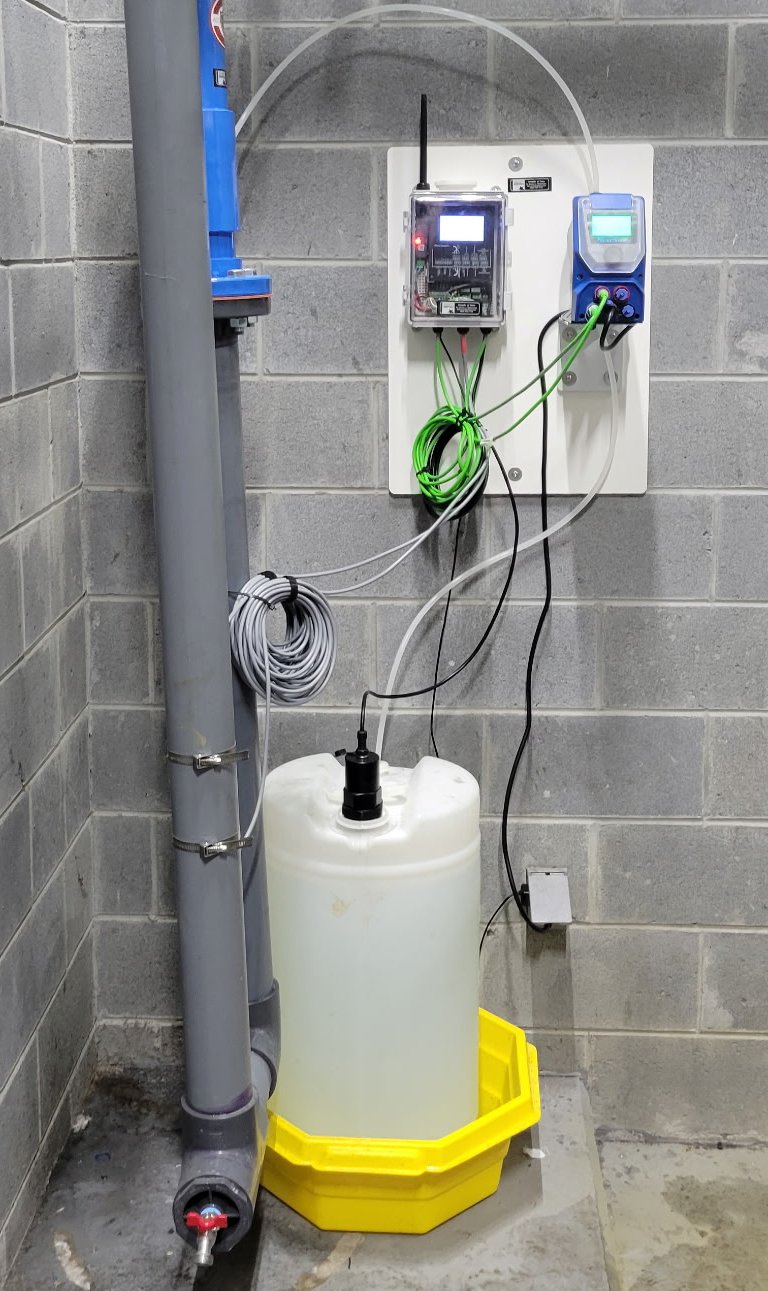
The amount added to your water is tiny by comparison. A Crusader system typically adds about 0.5–2 mg/L of phosphate — increasing average daily intake by only about 0.1–0.2%. Put another way, the ~0.5 mg of phosphate in a 12-oz glass of treated water is dwarfed by the roughly 60 mg in the same amount of cola or the ~95 mg in a single large egg. Crusader’s Liquid Active Armour is NSF Certified for potable water, and more than 200 phosphate-based products are NSF-certified for drinking-water treatment.
NSF/ANSI 60 is the national standard for drinking-water treatment chemicals — required by 47 US states for municipal water supplies. For perspective on how little phosphate that adds, the US EPA notes you’d have to drink 10 to 15 liters of treated water to equal the phosphate in a single can of soda. See NSF International’s own explainer (NSF phosphate statement, PDF).
Phosphate treatment isn’t a water softener — it controls scale and corrosion rather than removing hardness. If you want true soft water, see water softeners; to understand a tougher scale problem, see calcium sulfate (gypsum) scale.
Yes. Phosphates are FDA-approved food additives and are listed as safe by the FDA, NSF and the Center for Science in the Public Interest. Phosphorus is an essential dietary nutrient, and the amount added in water treatment is a tiny fraction of normal daily intake.
Yes — roughly half of U.S. water utilities use phosphates to control internal pipe corrosion, many of them since the EPA Lead and Copper Rule (1992) to reduce lead and copper at the tap.
Typically about 0.5–2 mg/L, which raises average daily phosphate intake by only about 0.1–0.2%. For perspective, a 12-oz cola has around 60 mg of phosphate and a large egg about 95 mg.
No. Phosphate treatment controls scale and corrosion by keeping minerals in solution and coating pipe surfaces; it doesn’t remove hardness the way a softener does.
Ready When You Are
Our attentive staff is available Monday–Friday to answer your questions and recommend the right system.
Request a Free Estimate